Dialogue in Contexts of Displacement
Dialogue in Contexts of Displacement
Across regions, forced displacement and migration continue to shape societies and test social cohesion. These webinars explore how dialogue can support inclusion, address discrimination, and strengthen trust between communities, particularly in contexts affected by conflict, crisis, and movement. Bringing together faith actors, practitioners, and community voices, they highlight practical approaches to fostering understanding, resilience, and peaceful coexistence.
What You’ll Discover:
- Dialogue-based approaches to inclusion, trust-building and social cohesion
- Ways to counter xenophobia, discrimination, stigma and exclusion
- Education, religious literacy and community action that foster belonging
- Psychosocial, faith-informed and gender-responsive support for displaced people
Understanding Displacement & Inclusion Challenges
Exploring the realities of displacement and the challenges of inclusion, discrimination, and social cohesion
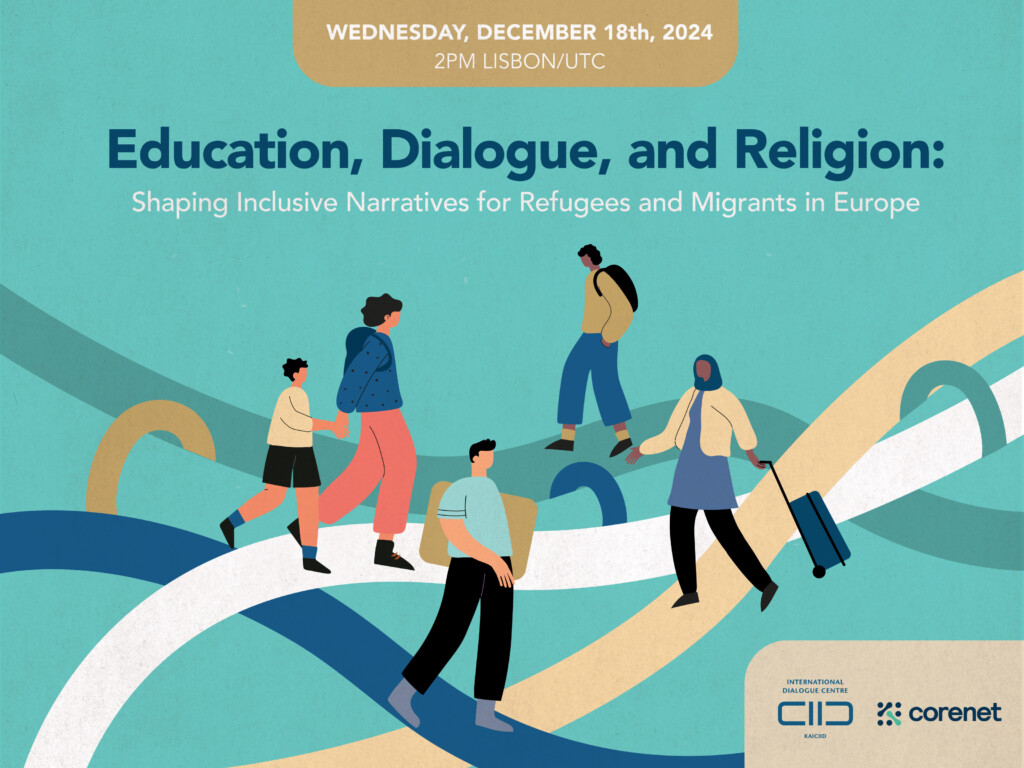
Education, Dialogue, and Religion: Shaping Inclusive Narratives for Refugees and Migrants in Europe December 2024
Marking International Migrants Day, this webinar brings together experts in migrant education and interreligious and intercultural dialogue to explore barriers to inclusive education for refugees and migrants in Europe. It highlights practical approaches, creative methodologies and the role of religious leaders, educators, policymakers and civil society in challenging prejudice, strengthening religious literacy and fostering belonging in diverse learning environments. The discussion contributes to the COREnet project’s work towards recommendations on inclusive education and the role of religion.
Refugees and migrants in Europe: discrimination and xenophobia, June 2020
This webinar examines how COVID-19 intensified hate speech, discrimination and xenophobia towards refugees, migrants and minority communities, deepening exclusion, stigma and inequality. Combining academic perspectives with grassroots experience from across Europe, it considers practical approaches to counter xenophobia and strengthen inclusion during times of crisis.

Building Trust For A More Inclusive Europe: Dialogical Approaches Between People Seeking Refuge and the Local Host Community, June 2020
This policy webinar explores how dialogue and trust building can strengthen social inclusion for people seeking refuge in Europe amid rising populist, nationalist and xenophobic pressures. Drawing on research, policymaking and practice with refugees and host communities, it considers how formal and informal approaches can foster mutual understanding, belonging and more inclusive societies.
Integration, Education & Social Cohesion
Practical approaches to fostering inclusion through education, dialogue, and community engagement

Integration through Education, April 2020
Marking International Migrants Day, this webinar brings together experts in migrant education and interreligious and intercultural dialogue to explore barriers to inclusive education for refugees and migrants in Europe. It highlights practical approaches, creative methodologies and the role of religious leaders, educators, policymakers and civil society in challenging prejudice, strengthening religious literacy and fostering belonging in diverse learning environments. The discussion contributes to the COREnet project’s work towards recommendations on inclusive education and the role of religion.
Network for Dialogue: Interreligious dialogue for the social inclusion of migrants and refugees September 2019
This webinar explores how dialogue can support the social inclusion of migrants and refugees in Europe. It introduces dialogical approaches, considers how they can be applied in everyday practice, and offers ideas for making support more responsive to the experiences and participation of people seeking refuge.
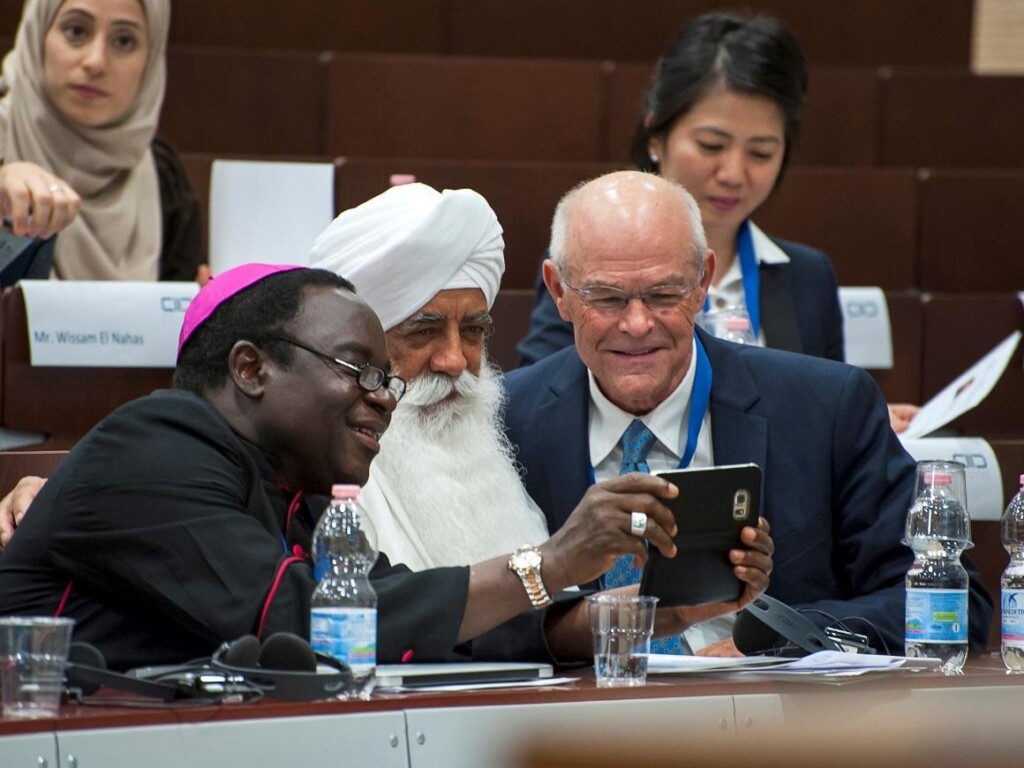
Network for Dialogue: Inspiring civil society to promote interreligious and intercultural dialogue as key enablers for the social inclusion of refugees and migrants, April 2019
This introductory webinar presents KAICIID’s Network for Dialogue, which connects faith-based and secular organisations, religious leaders, academics and policymakers working to support the inclusion of people seeking refuge and migrants in Europe. It explores how the Network promotes exchange, strengthens local dialogue action and contributes to more inclusive integration policies.
Community Voices & Local Action
Experiences and responses from local actors supporting displaced communities on the ground
Women on the Frontlines, June 2021
Marking World Refugee Day, this webinar explores the social inclusion and empowerment of female refugees and migrants in Europe. Bringing together women working in social cohesion and women’s rights, it considers the discrimination, violence and exclusion many women and girls face, and highlights how intercultural and interreligious dialogue can foster empathy, resilience and more inclusive communities.

A Conversation on the Importance of Psychosocial Support and Intercultural Dialogue for Refugees and Migrants in Europe, November 2020
This webinar explores the links between psychosocial support, intercultural dialogue and the social inclusion of refugees and migrants in Europe. Experts share practices and recommendations for addressing trauma, discrimination and the diverse needs of people navigating life in a new country, while strengthening social cohesion in host communities.
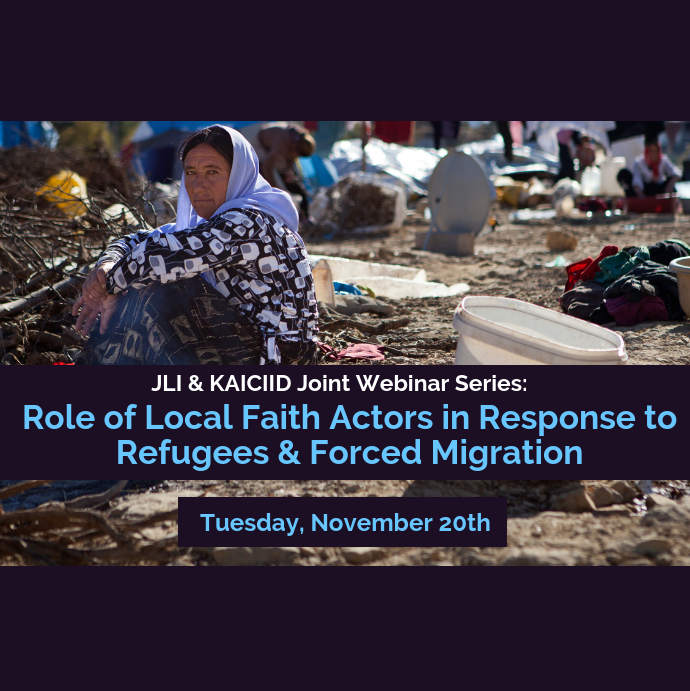
Role of Local Faith Actors in Response to Refugees & Forced Migration, November 2018
This joint JLI–KAICIID webinar examines refugees and forced migration through a case study from the Balkans. It explores the role of local faith actors in supporting children on the move, strengthening child protection and spiritual care, countering xenophobia and building more peaceful, inclusive societies, alongside reflections on migration and religious diversity in Serbia.